SKU: ZZSPMBHSL165BV9YJV0


+12
More


Clearance
VEVOR Acoustic Foam Panels, Set of 4, 42x16x30cm, Self-Adhesive Soundproof Wall Panels, Heat-Resistant Acoustic Panels, Acoustic Foam Mats for Studio Walls & Ceilings, Black
Clearance
4 2 Reviews
38 90 €
Each when you buy 0+.
Shop
Get -% off for new user
Get 5,00€ Off 99,00€+ Orders on Your First 3 App Orders.
Download Now
- Efficient sound insulation: The high-density polyurethane foam (30 kg/m³) effectively absorbs high-frequency sound waves and improves the absorption of vibration echoes, reverberation, and noise, thus reducing noise pollution and improving sound clarity. NOTE: Vacuum packed. Please allow it to settle to regain its shape.
- Outstanding performance: This material boasts numerous excellent properties, including sound insulation, heat resistance, and safety. It quickly recovers its shape after being opened, maintains its full form without collapsing, and remains stable even with prolonged use.
- Built-in strong adhesive: It bonds firmly over time and is suitable for use on materials such as tiles, marble, and metal. The product is lightweight and can be installed in three easy steps, making it practical and easy to use.
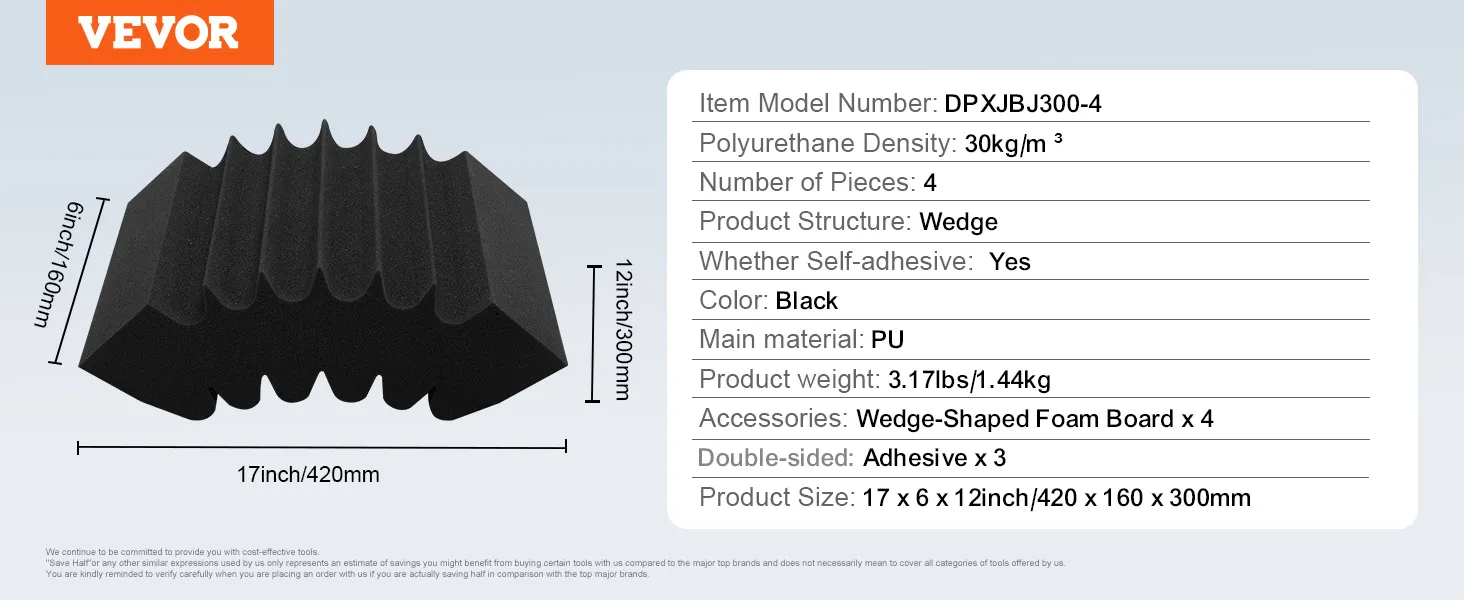
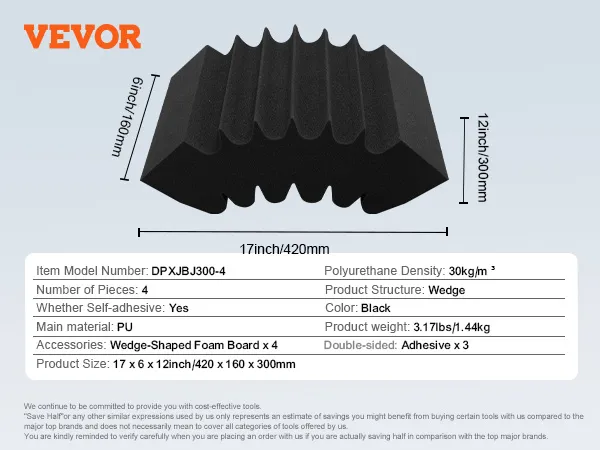
- Various specifications: Includes 4 wedge-shaped foam panels. You can purchase the appropriate quantity according to your needs to reduce noise and improve your room's atmosphere.
- Versatile applications: The three-dimensional structure allows sound waves to be reflected and scattered multiple times upon impact with the recessed surface, effectively reducing noise. These sound-absorbing panels can be used in a variety of settings, including recording studios, home theaters, offices, and more.
Frequently Bought Together
Reviews
About this item
Questions and Answers
Explore
Reviews
4.0 Out of 5
How customer reviews and ratings work?
Details
How customer reviews and ratings work?
Customer Reviews, including Product Star Ratings help customers to learn more about the product and decide whether it is the right product for them.
Our overall rating is not a simple average. We prioritize authentic, trustworthy reviews and filter out duplicates or invalid content before calculating the final score. This helps ensure the rating truly reflects real customer experiences.
Review this product
Share your thoughts with other customers
Top Reviews
 Robby
Robby Great for soundproofing ceiling
These acoustic panels are excellent for soundproofing between floors. I used them on the ceiling of a movie room and they made a significant improvement in sound transmission. Easy to install and good quality. Recommended.
0 people found this helpful
 Sebastien Hebert
 If you want to achieve a great finish you need a laser to make it straight.
I’ve used it for studio sealing.
0 people found this helpful
About this item
Description
Enjoy the peace and quiet with our acoustic foam!
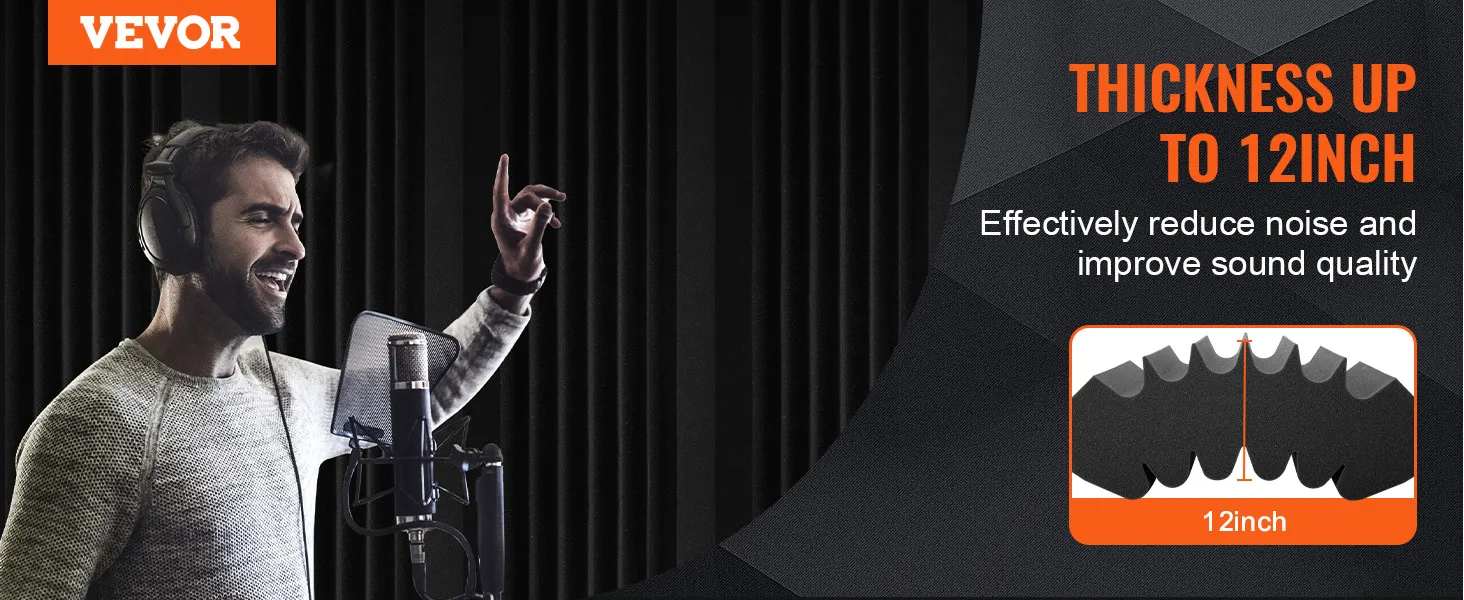
This acoustic polyurethane foam panel reduces sound reflections and echoes. It has a high density for effective sound absorption, is available in wedge, pyramid, and egg shapes, and is used in recording studios, home theaters, and various other environments.
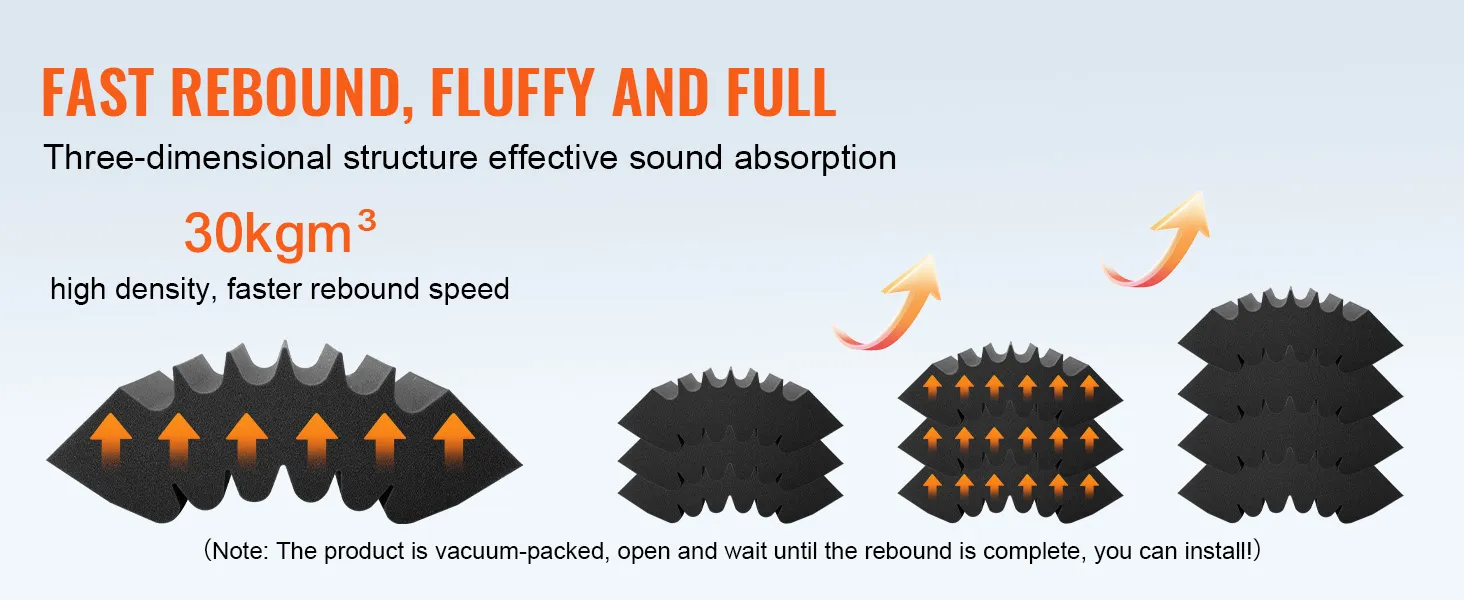
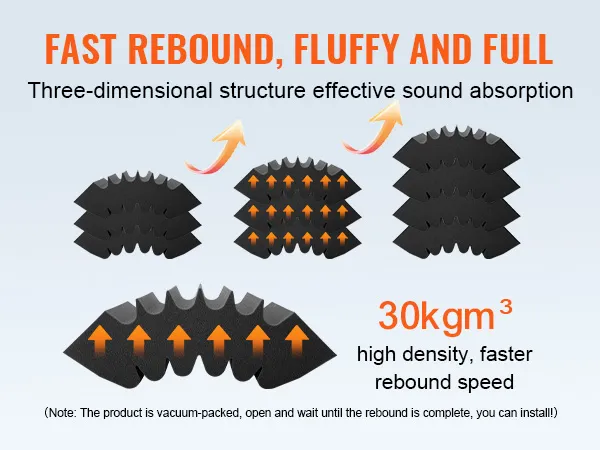
This acoustic polyurethane foam panel features a thick construction that helps reduce noise by filtering out unwanted sounds and echoes through multiple reflections. When used in recording studios, it improves sound quality.
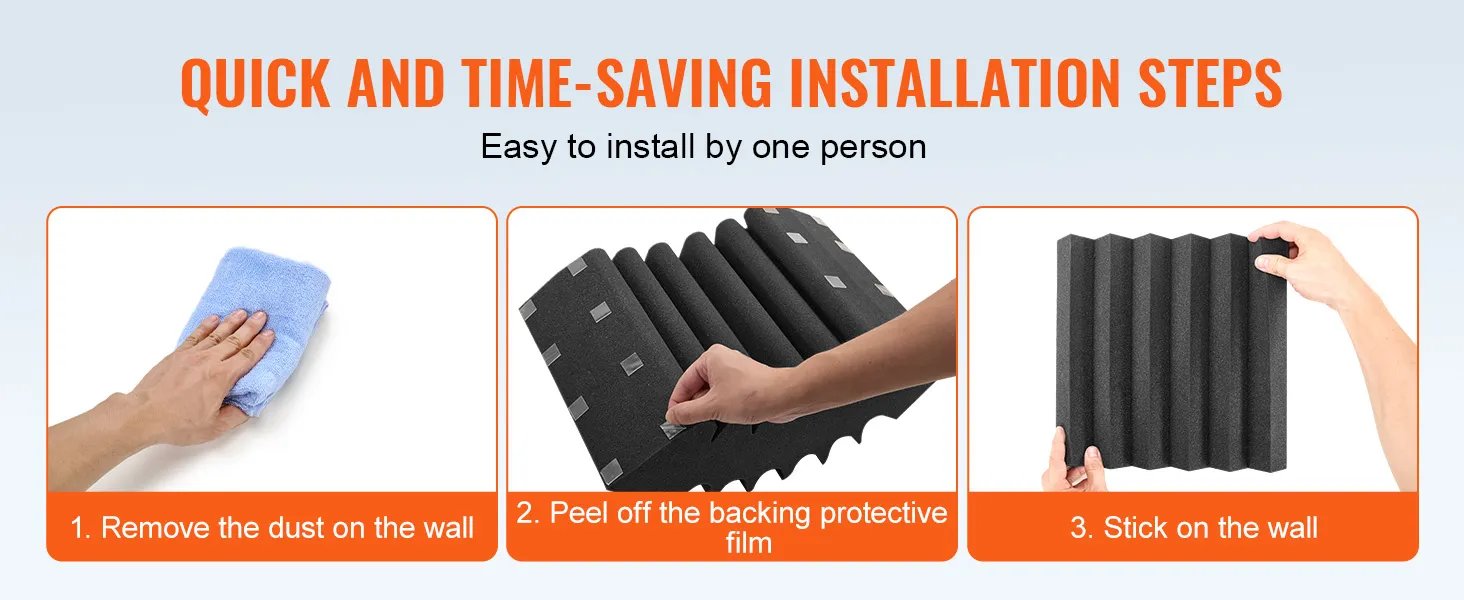
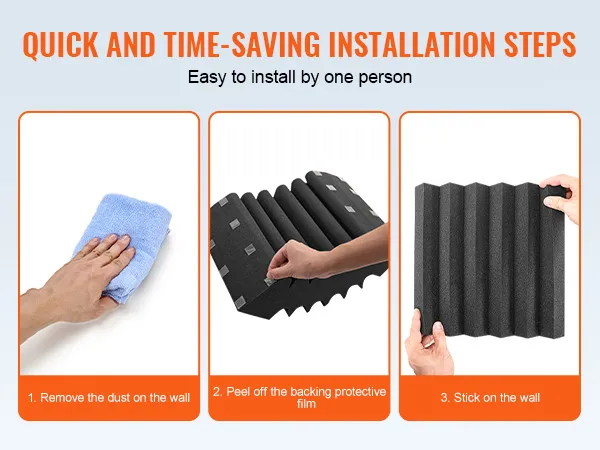
This material is made of high-density polyurethane foam, is lightweight yet robust, and quickly returns to its original shape without disintegrating. It is also fire-resistant and odorless, ensuring safe use.
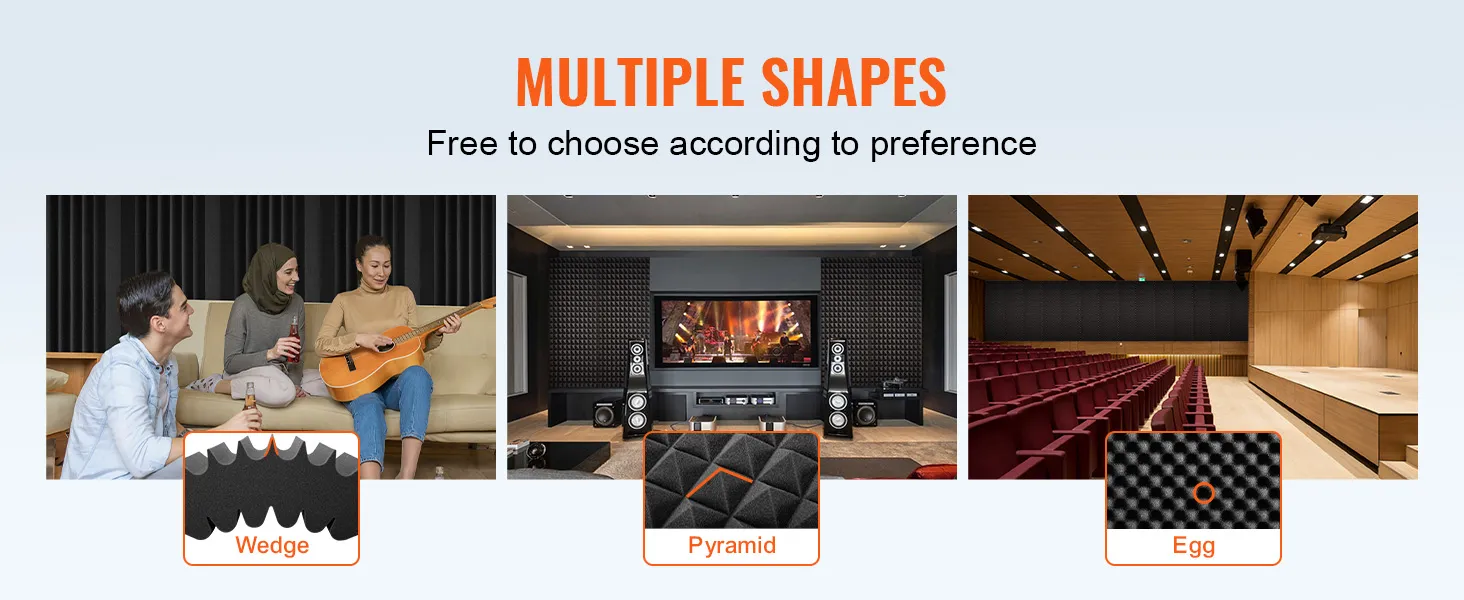
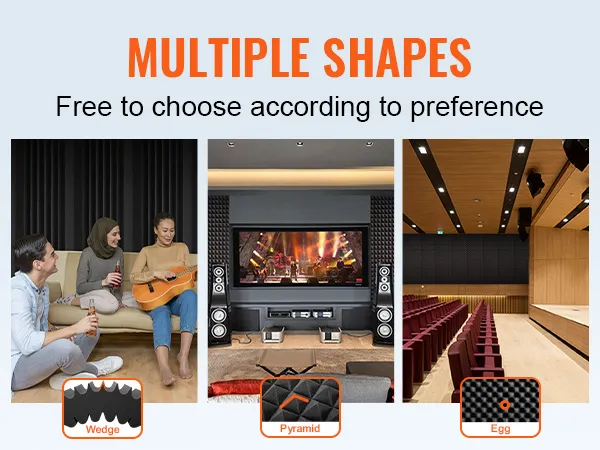
This lightweight and easy-to-install acoustic foam panel offers users a practical noise reduction solution and ensures effective sound absorption without the hassle of complex installation processes.


Available in unique wedge, pyramid, and egg shapes, allowing you to choose according to your available space. The textured surface increases the foam's surface area and effectively absorbs sound waves for improved sound insulation.
Product guides and documents
In Stock