Clearance
VEVOR Fuel Container, 9.5 L, Gas Tank with Spout & Clear Scale, 15 L/min Max Flow Rate, Secure & Leak-proof, Portable Flat Fluid Container for Most Cars Motorcycle ATV UTV, Red, 1 Pack


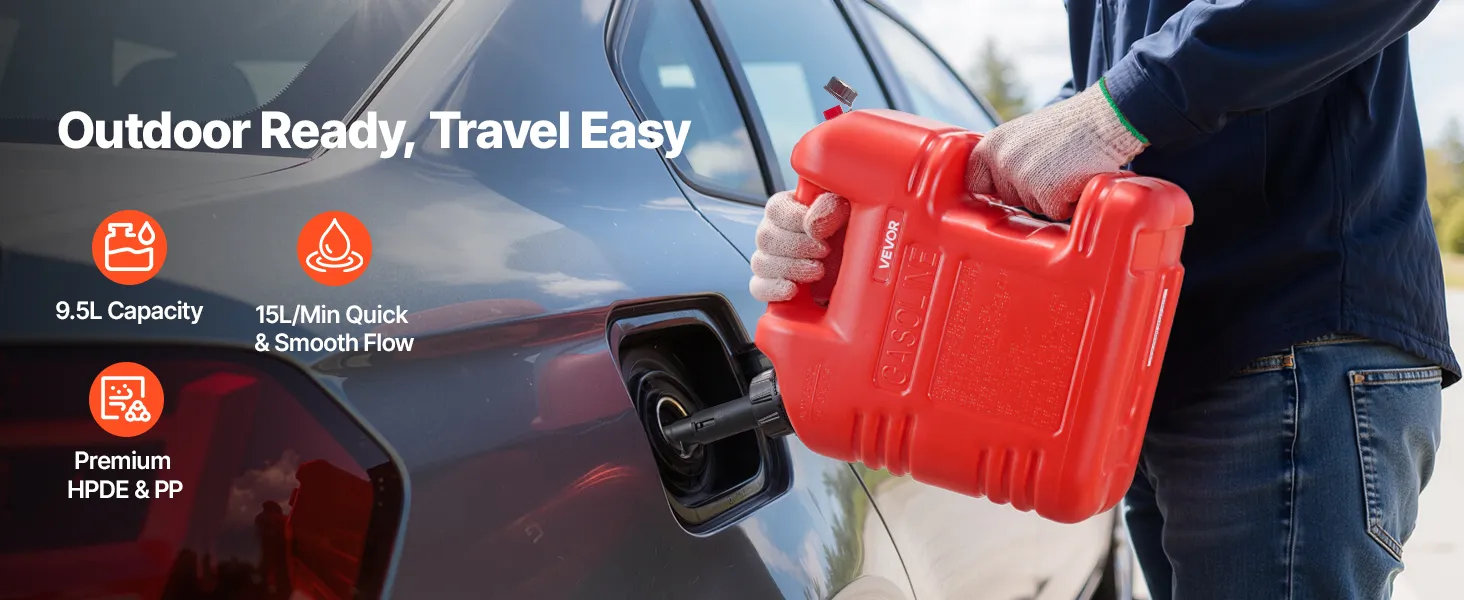
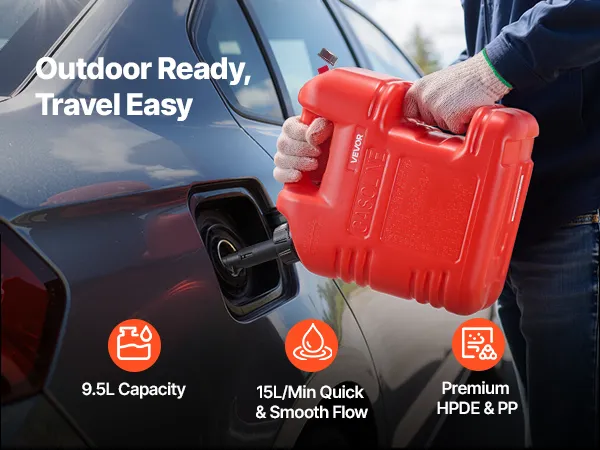
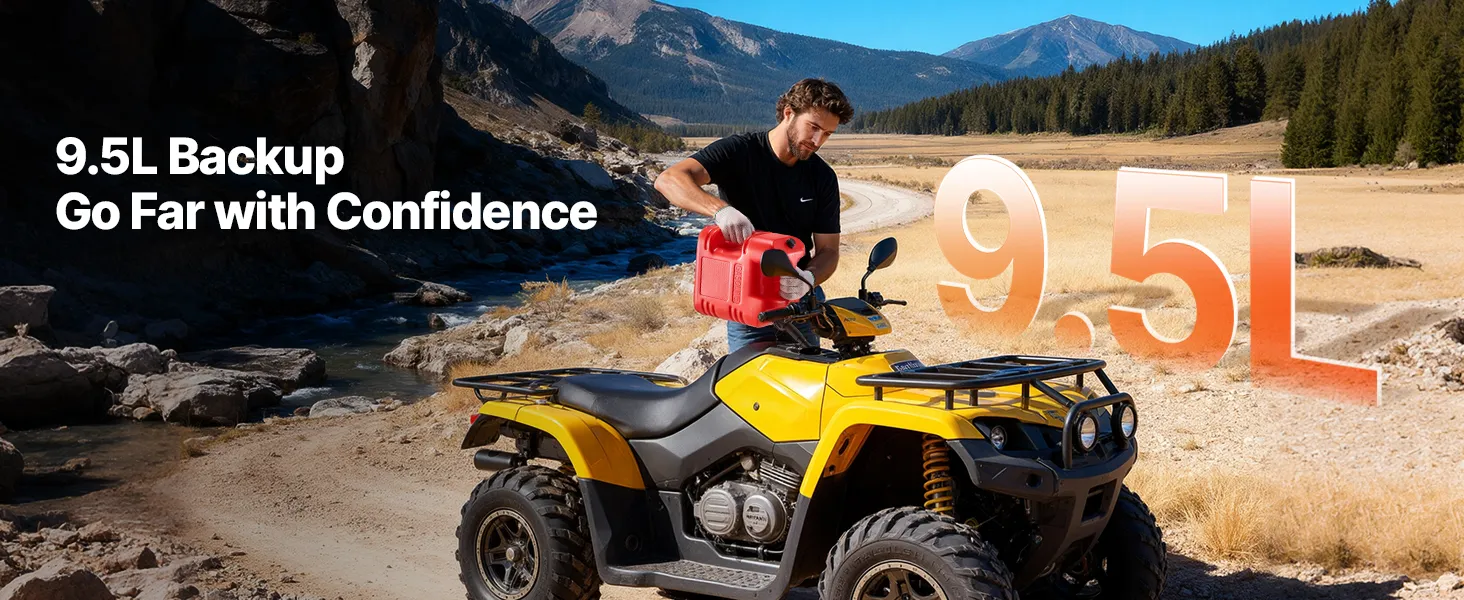
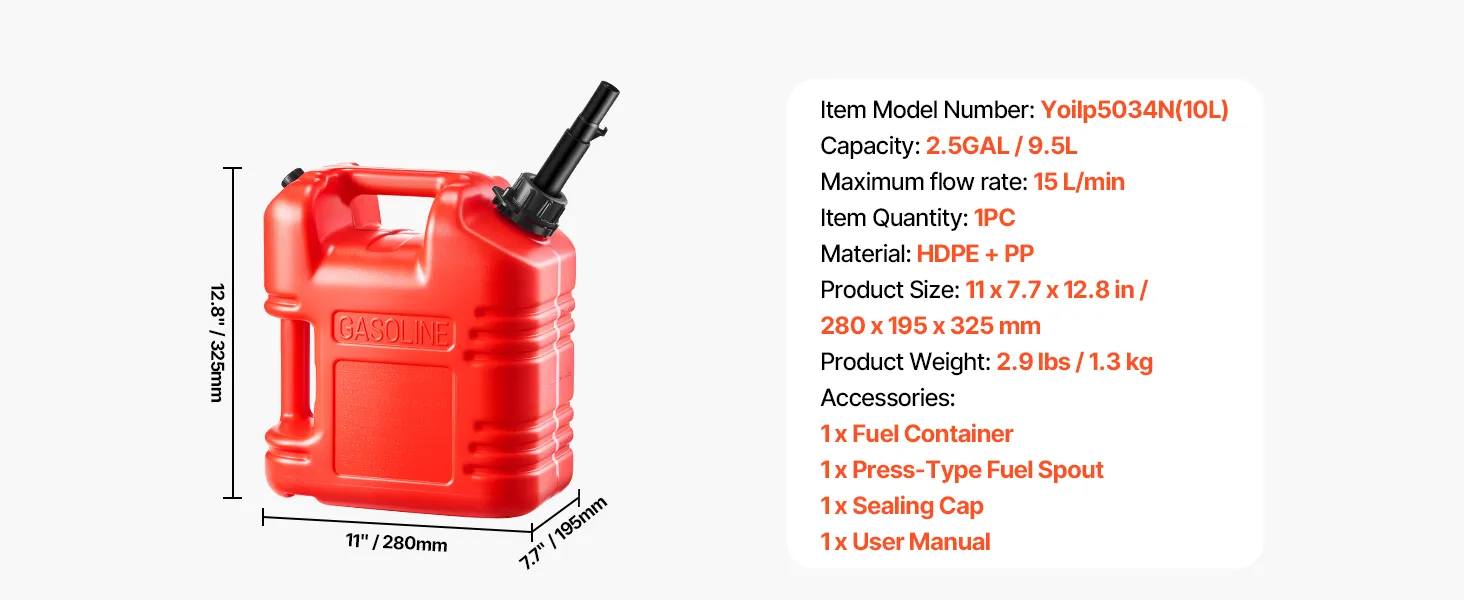
- Compact Size: Need backup fuel without losing space? This 9.5L gas can (11 x 7.7 x 12.8 inches) fits right in your trunk. It's lightweight yet reliable for trips, camping, or outdoor work
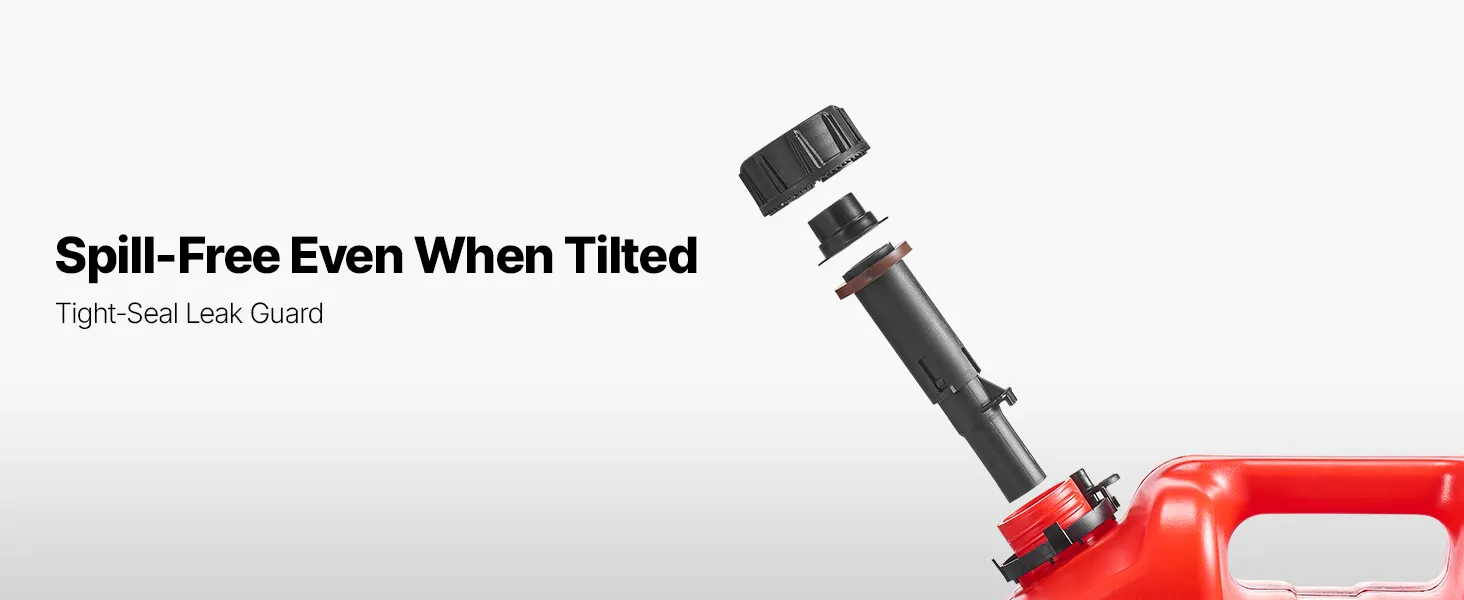
- Secure Anti-Loosening: Hate messy leaks? This fuel container comes with a sealing ring that locks tight, even on rough rides, keeping fuel where it belongs without waste
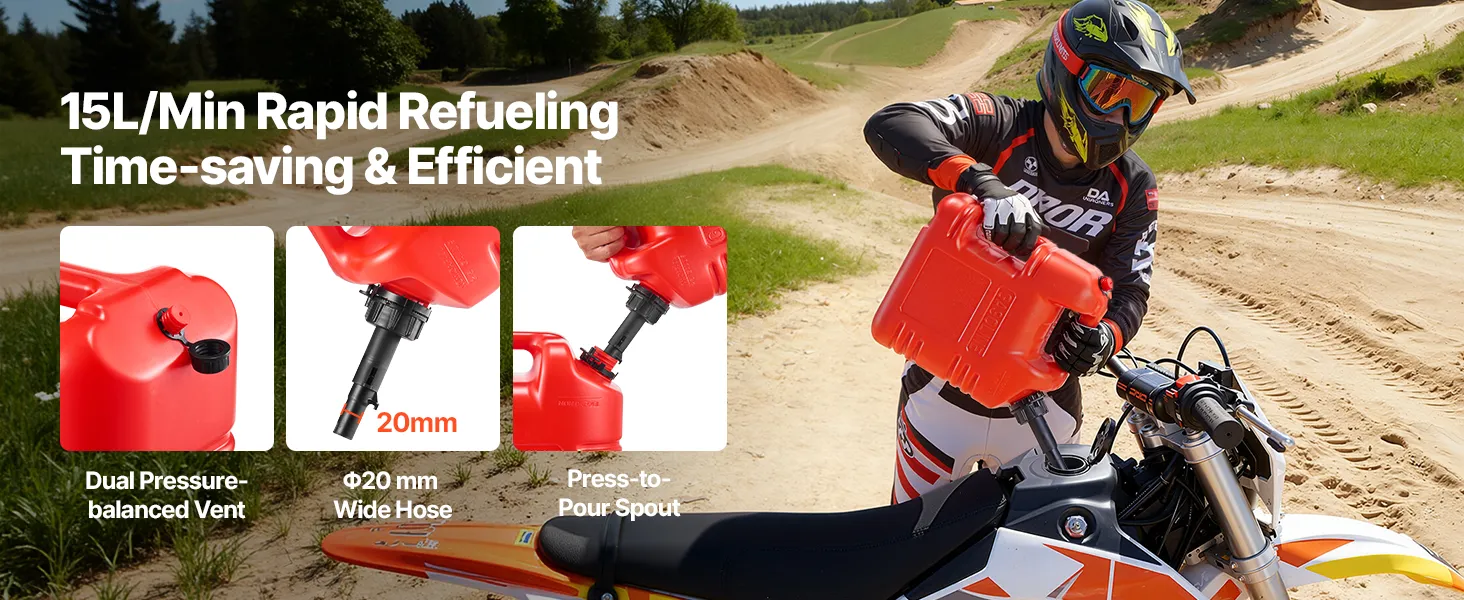
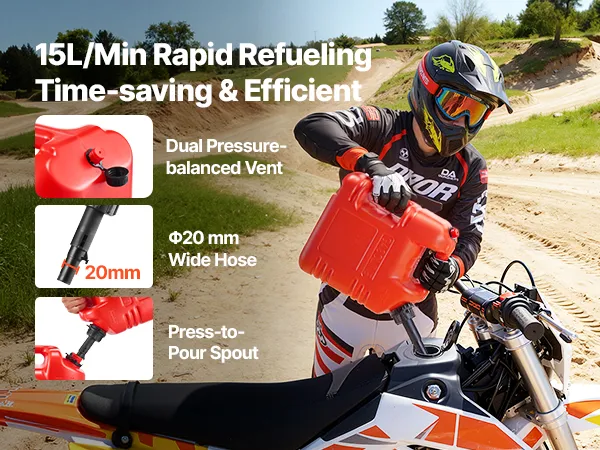
- Smooth 15 L/min Fast Flow: Done with "glug-glug" refills? This fuel can pours up to 15 L/min with a 20 mm hose and dual vent valve for a steady, smooth flow every time
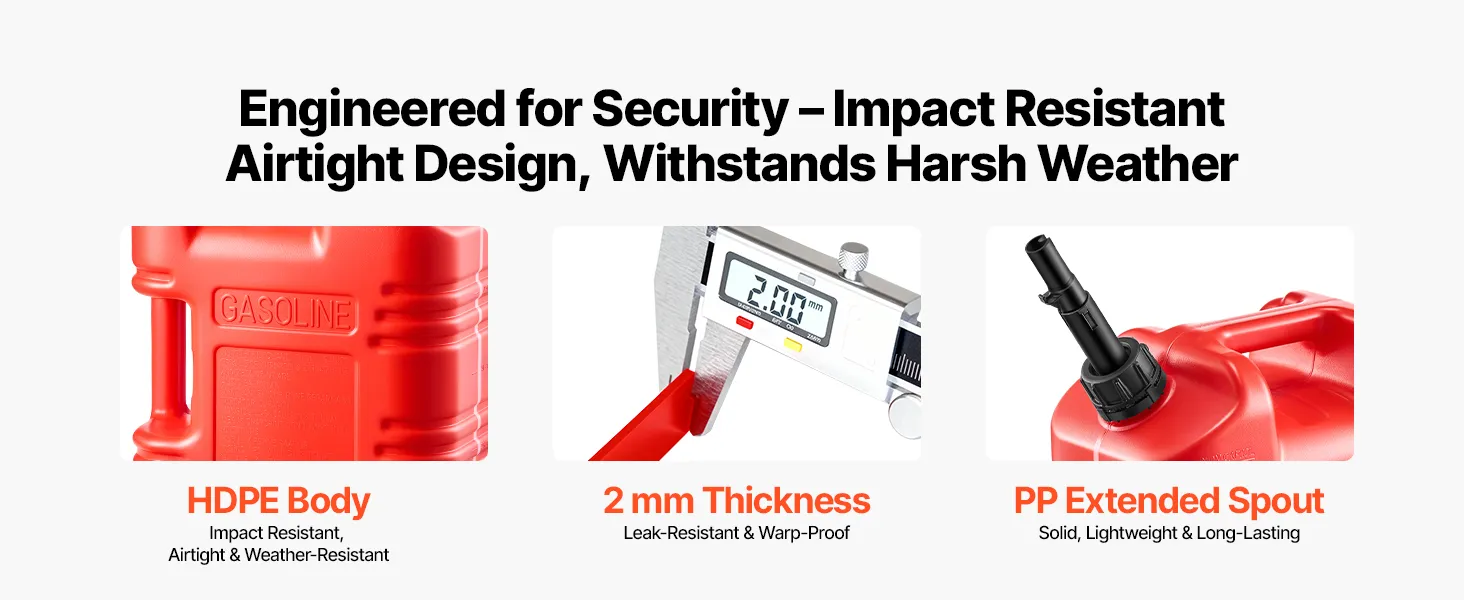
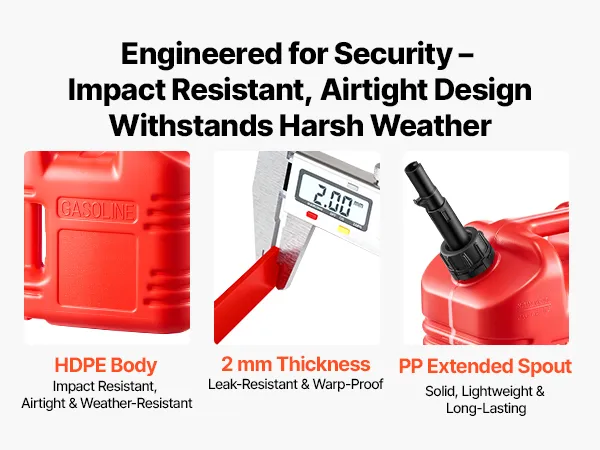
- Long-lasting Design: Want durability? This HDPE fuel tank has 2 mm walls that withstand drops, bumps, and sun. The PP extension spout makes every refill easy and clean
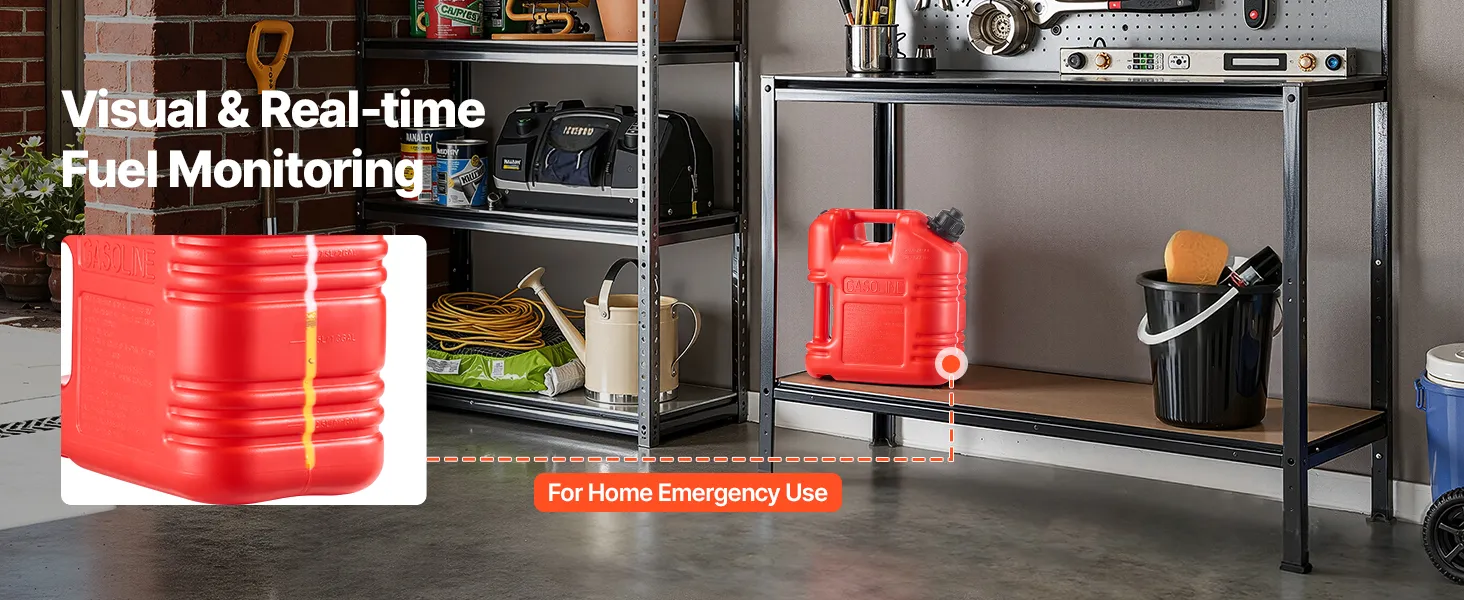
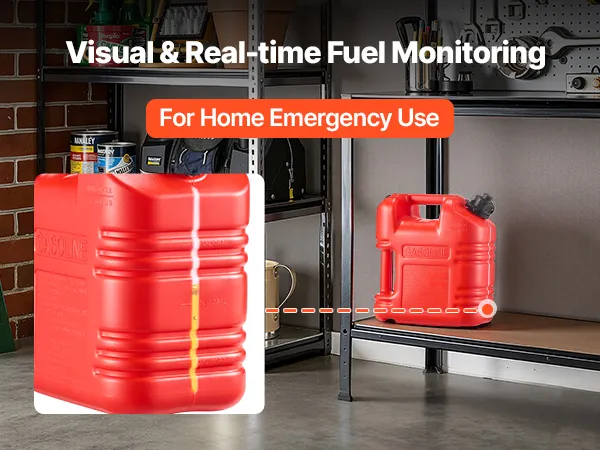
- Durable & Accurate Measurement: Need precise readings? The raised markings show real capacity, helping you avoid spills, waste, or underfilling with quick, accurate checks
Frequently Bought Together
Reviews
 metsdallas32 goetz.anhofer@gmx.de
 Mark
Mark 
 ty***
ty*** About this item
Will this tank leak or have its cap pop off on rough roads?
A: It has a secure locking cap and tight seal, so even on bumpy rides it stays sealed and leak-free.
Q: What's the material? Will it crack or warp in heat?
A: Made of thick HDPE (~2 mm walls), impact-resistant and heat-stable to avoid warping.
Q: Does it gurgle or clog when pouring?
A: It has a vent valve plus wide pouring tube—flow is smooth and almost silent.
VEVOR Fuel Storage Container Holds 2.5 Gallons in a 9.5L Compact Flat Profile
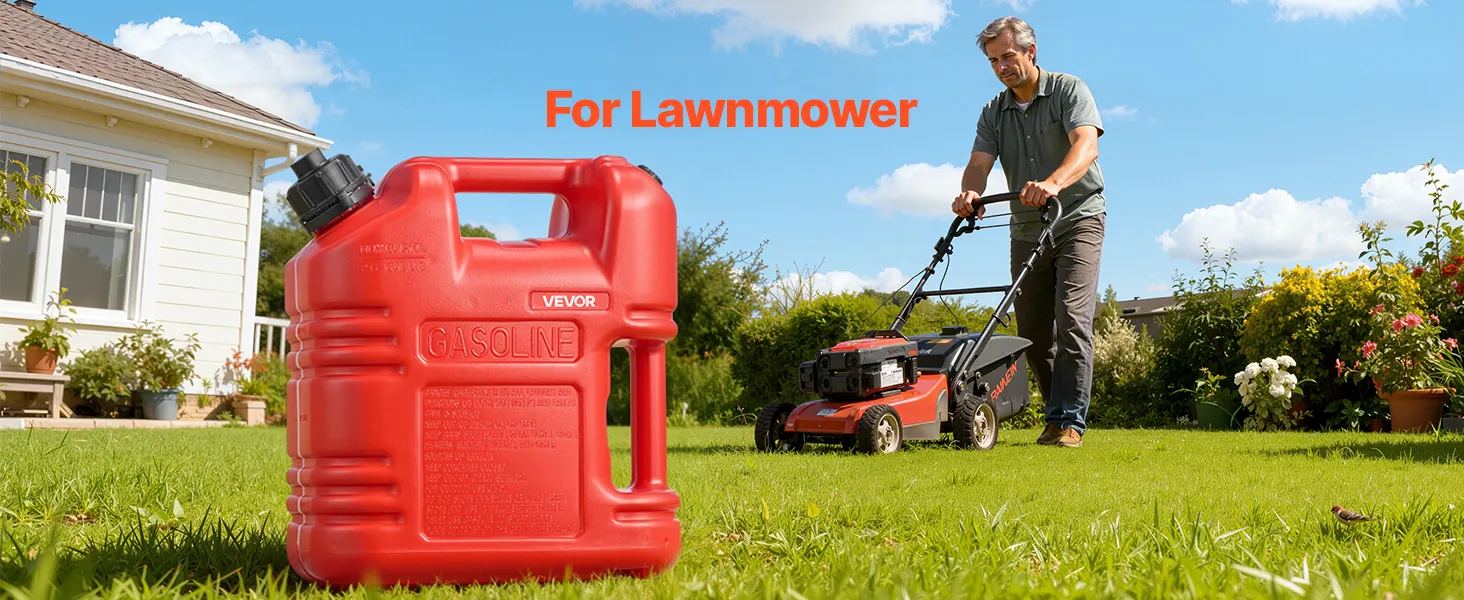
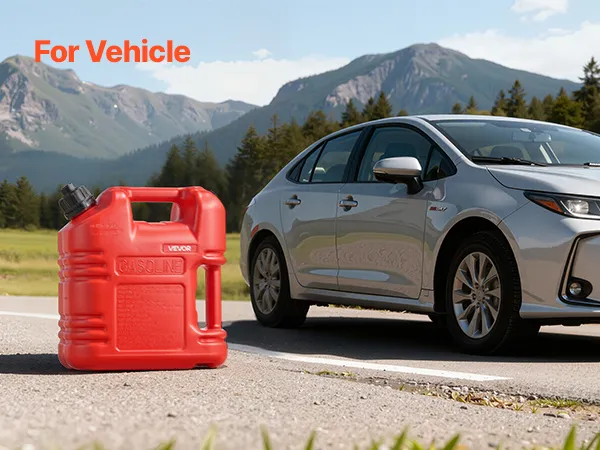
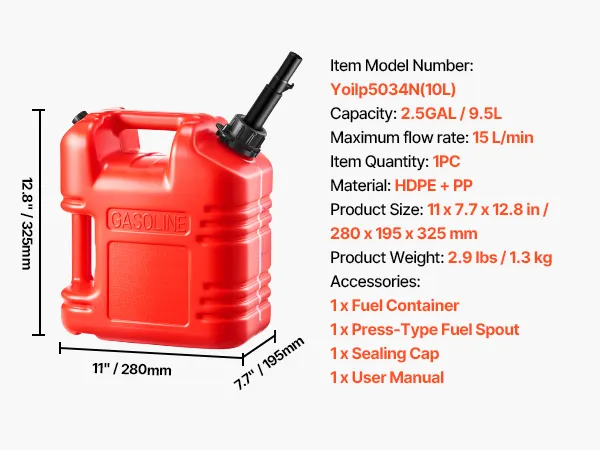
The VEVOR fuel storage container has a true 2.5-gallon (9.5L) capacity and a flat body measuring only 11 x 7.7 x 12.8 inches. This small size was designed to fit in passenger car trunks, motorcycle saddlebags, ATV cargo racks, and UTV storage compartments without taking up too much space. The flat shape maximizes the space in tight vehicle compartments, where regular round jerry cans waste a lot of cubic volume.
This container has a usable capacity of 9.5 liters, enough emergency fuel to extend a vehicle's range by roughly 15 to 30 miles, depending on the engine size. It is enough to get to the nearest gas station from most remote off-road or rural breakdown sites. This container is a good choice for overlanders, camping trips, and outdoor work crews who need reliable backup fuel without taking up too much cargo space with a single emergency supply item.
15 L/min Maximum Flow Rate via 20mm Hose and Dual Vent Valve System
With a 20mm diameter hose and a dual vent valve system, this storage container can pour up to 15 liters per minute. This system stops the air-lock gurgling that happens with single-vent designs. The dual-vent setup lets air into the container through a separate intake path while fuel leaves through the spout. It maintains equal pressure inside the container and creates a smooth, steady flow throughout the entire pour cycle.
It takes less than 40 seconds to empty a full 9.5L container at 15 L/min. It is much faster than standard 5–8 L/min single-vent cans, meaning less time spent refueling motorcycles, ATVs, and small-engine equipment. The 20mm hose diameter helps this flow rate even more by reducing internal friction resistance when pouring quickly.
2mm HDPE Walls with PP Extension Spout Withstand Drops, UV & Fuel Corrosion
The container body is made of high-density polyethylene (HDPE) with a 2 mm wall thickness all around. This structural specification makes it resistant to drops, bumps, and compressive loads during vehicle transport over rough terrain. With a wall thickness of 2mm, HDPE absorbs and spreads impact energy across the entire panel surface, rather than concentrating stress at impact points.
The polypropylene (PP) extension spout won't break down when it comes into contact with fuel for a long time, it won't fade in color when it's outside in the sun, and it won't change shape when it's hot inside a car. PP's natural fuel compatibility ensures the spout stays the same size and fits perfectly for years of use. It stops warping and cracking caused by cheap spouts and prevents fuel from leaking during critical refueling operations.
Sealing Ring with Anti-Loosening Lock Delivers Zero-Leak Performance on Rough Rides
The cap assembly of this storage container features a sealing ring that fits snugly and a locking mechanism that prevents loosening. It keeps the container tightly sealed even when the vehicle is vibrating, moving sideways, or hitting obstacles while driving off-road. Standard threaded caps without anti-loosening features can slowly come loose when shaken, creating leak paths that contaminate cargo areas and make transportation more dangerous.
The anti-loosening design keeps the sealing ring under constant compression during long trips, helping prevent fuel from escaping, even at higher speeds or on rough roads. This secure closure performance is very important for ATV and UTV users who carry fuel in open cargo beds that constantly vibrate from mechanical parts, as well as for motorcycle riders who carry the container in saddlebags, where fuel can leak directly onto the vehicle frame, wiring harness, and rider gear.
Raised Clear Scale Markings Enable Accurate Measurement Without Removing the Cap
The outside of this fuel storage container has raised scale markings that indicate the approximate amount of fuel remaining in clear increments. It lets operators check the fuel level without opening the cap, using a dipstick, or guessing by weight. Unlike printed or adhesive labels, which fade, peel, and become unreadable after being exposed to fuel and weather outside, raised markings are permanently molded into the HDPE body.
An accurate volume readout helps reduce the errors of overfilling and underfilling that can cause fuel to spill during transfer or leave too little emergency reserve for the trip distance. For people who have to keep track of fuel supplies for multiple vehicles or generators at a remote worksite, the clear scale lets them quickly check the inventory of several containers at once.
Compact 11 x 7.7 x 12.8 in. Flat Body Fits Cars, Motorcycles, ATVs & UTVs
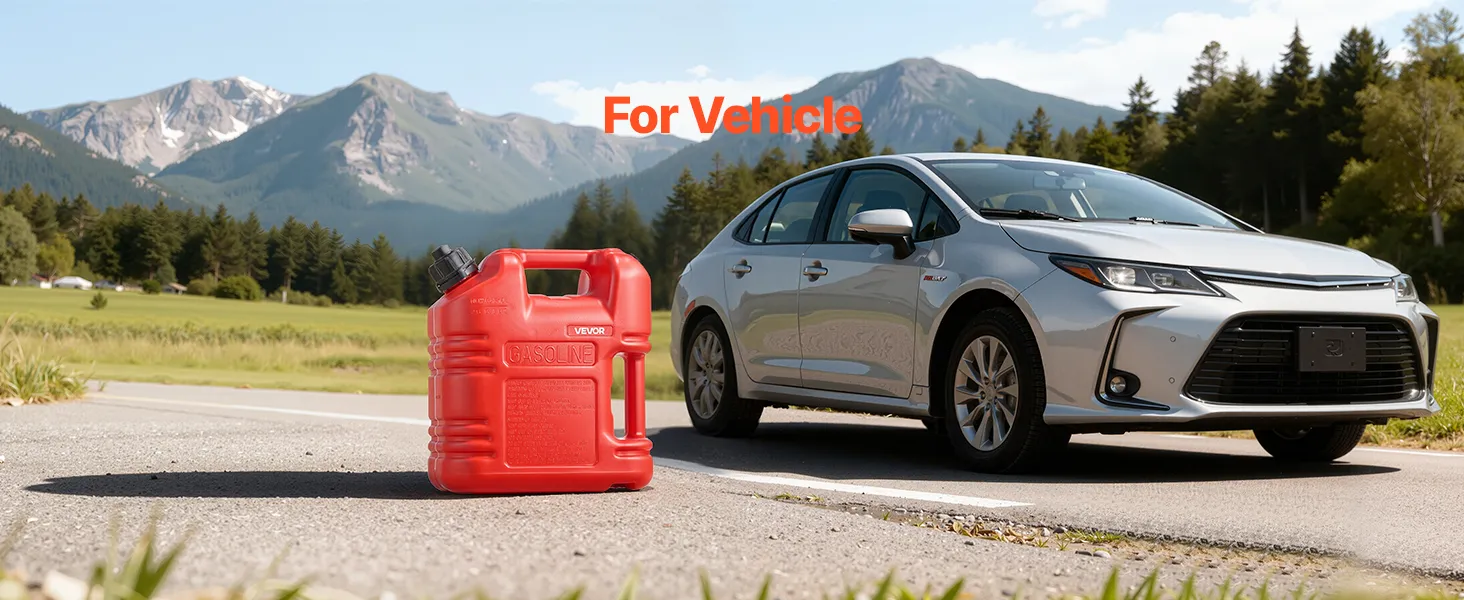
The outside dimensions of this fuel storage container are 11 x 7.7 x 12.8 inches. They are designed to fit in the trunk of a passenger car, under the seat of a motorcycle, on the rear cargo platform of an ATV, or in the bed of a UTV. The flat 7.7-inch depth profile is a key size benefit because it lets the container fit into shallow storage spaces that thicker fuel containers can't reach.
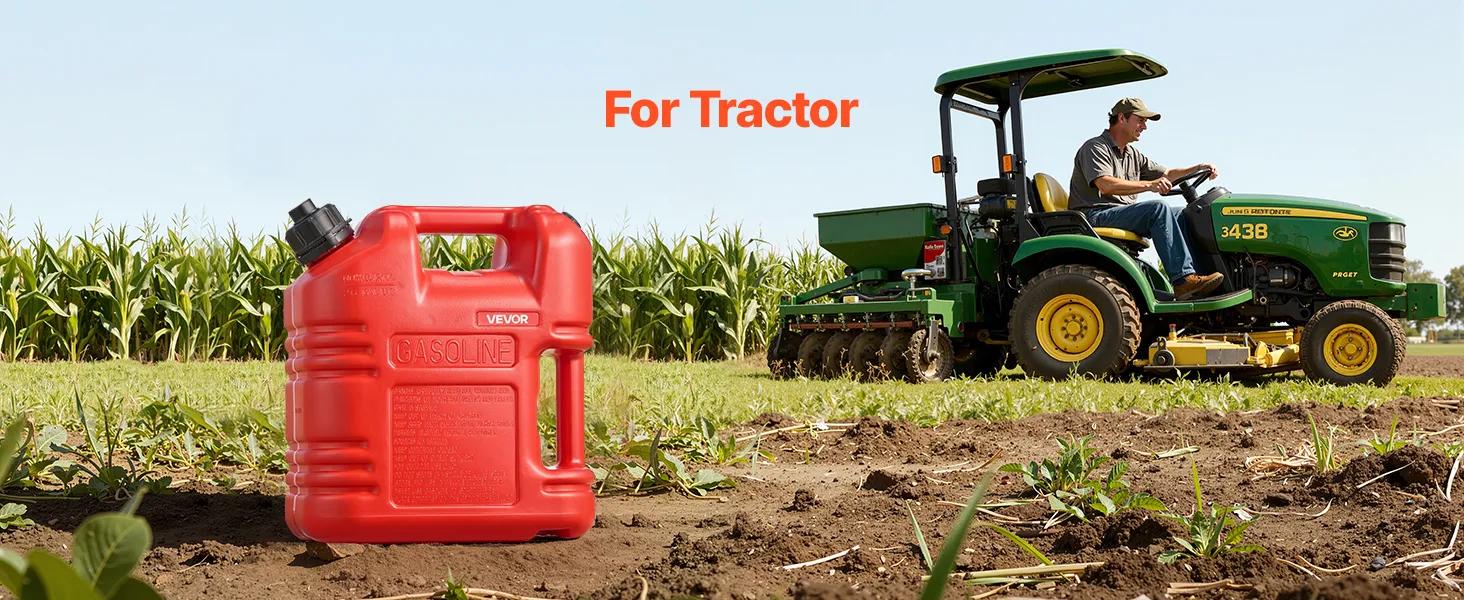
It fits all four of these vehicle types, making it a versatile option for families with more than one vehicle and for people who enjoy riding motorcycles, ATVs, and UTVs from the same base camp or truck bed. Instead of having separate fuel containers for each vehicle, one container can be moved between vehicles as needed. It lowers the total cost of equipment and makes it easier to store across a whole fleet of work or recreational vehicles.
Fuel Storage Container Red HDPE Construction with 9.5L Capacity Meets Portable Field Fuel Standards
The standard red color of this fuel storage container follows common fuel identification conventions. Red coloring makes it easy to spot hazards quickly when refueling in an emergency, and it follows the color-coding standards used by the automotive, marine, and outdoor power equipment industries for portable fuel containers.
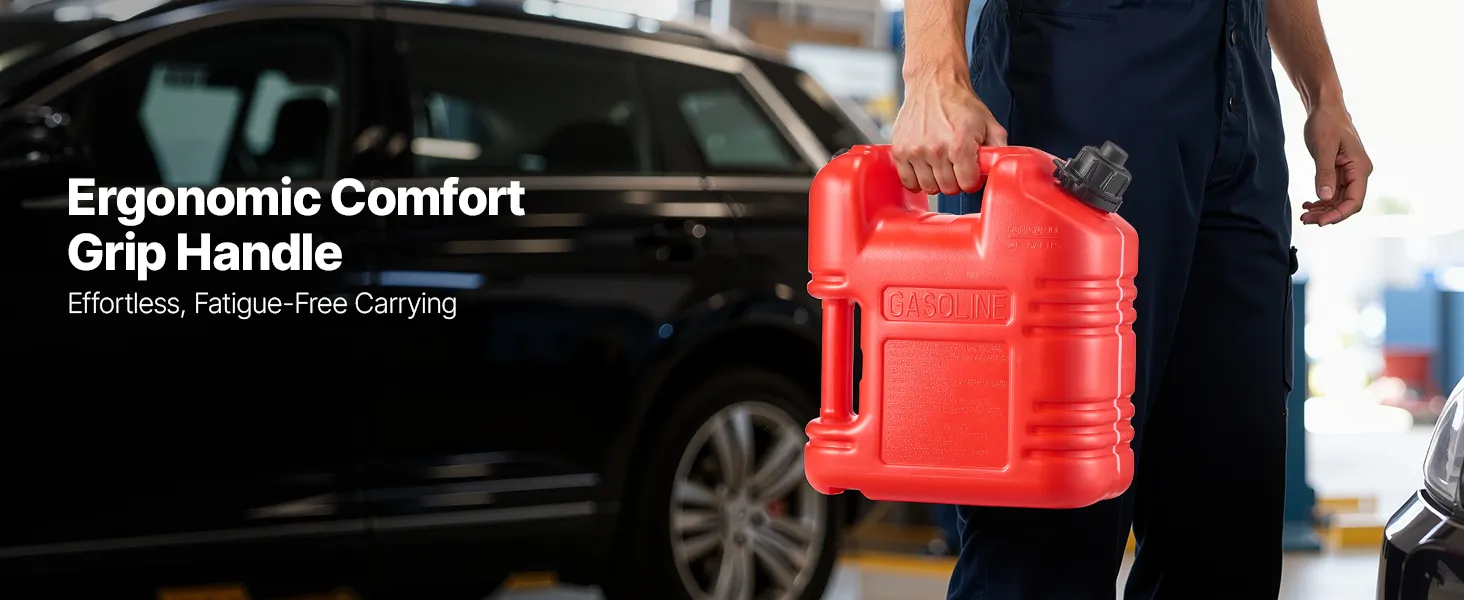
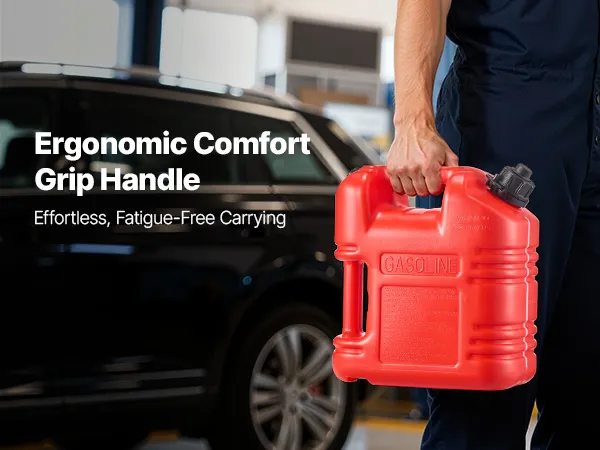
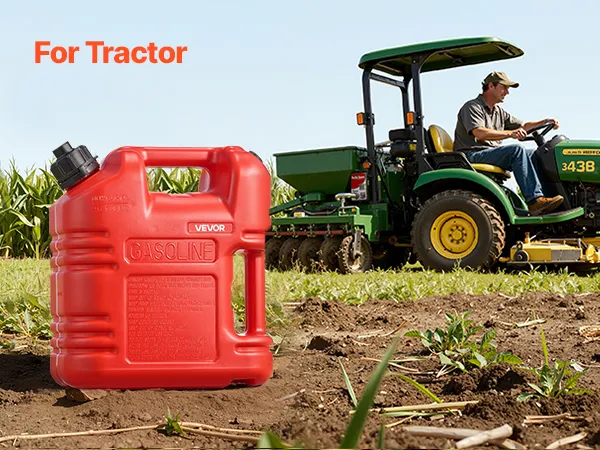
The 9.5L capacity and lightweight HDPE construction make it easy for one person to carry, lift, and pour the full container. It means you don't need two people to handle larger 5-gallon jerry cans when refueling from above or at an awkward angle. This container is a practical choice for camping trips, emergency roadside kits, and agricultural field operations.